Durable Deck Solutions: Experience the Best in Outdoor Living
Durable deck solutions offer an effective method for improving exterior living areas. By selecting materials that withstand the elements, residents can accomplish both aesthetics and lasting quality. Various options exist, all offering distinct advantages and visual appeal. Consideration of climate and maintenance needs is essential when making informed selections. When examining the available options, converting an exterior space into a private sanctuary grows more achievable. Find out how to make thoughtful decisions for long-term pleasure.
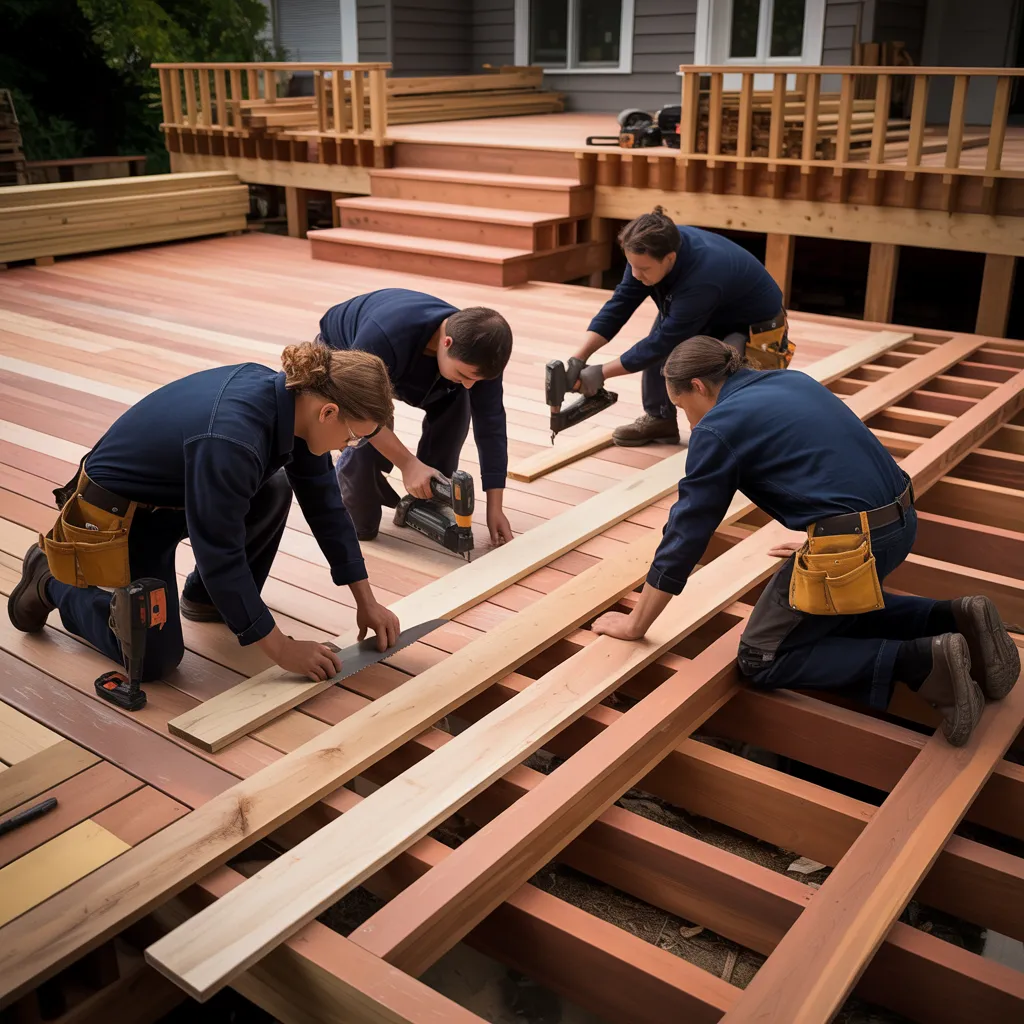
What Makes Durable Deck Materials the Right Choice for Your Outdoor Space?
When evaluating an outdoor space, the selection of durable deck materials is important, as they not only boost curb appeal but also guarantee lasting performance. Long-lasting materials, such as hardwood, composite decking, and PVC, resist the elements, reducing the need for frequent repairs or replacements. This robustness assures that the outdoor living area continues to be functional and appealing over time.
In addition, opting for long-lasting deck materials can result in long-term financial benefits. Residents can sidestep the costs associated with ongoing care, such as refinishing or resealing, that are typically demanded with less durable materials. As an added benefit, the sustainability factor of opting for eco-friendly alternatives, like responsibly sourced hardwood or recycled composites, cannot be overlooked. These choices result in a lower environmental impact while providing a visually appealing and long-lasting finish. Ultimately, selecting durable deck materials improves not just the outdoor experience but also the total value of a property.
Creative Concepts to Transform Your Outdoor Area
To improve open-air environments, thoughtful design decisions can have a meaningful effect. Creative color schemes can reshape the mood, while functional furniture configurations guarantee both comfort and usability. Combined, these aspects can transform any deck into an inviting sanctuary.
Color Schemes That Inspire
What color choices can genuinely convert an outdoor space into a magical escape? A range of soft natural tones, like sandy beiges and muted greens, can cultivate a tranquil setting that complements the natural surroundings. In contrast, vivid blues and warm yellows can revitalize the space, delivering a dynamic counterpoint to rich green surroundings. Introducing deep, warm tones such as rich terracotta or earthy reds can enhance dimension, lending the space a warm and welcoming character. For a sleek, modern look, opt for monochromatic arrangements using various gray tones, punctuated by striking bursts of color through decorative elements. Ultimately, the right color scheme not only enhances aesthetic appeal but also influences the mood, encouraging relaxation and enjoyment in outdoor living environments.
Practical Furniture Layouts
Designing a thoughtfully structured furniture setup can significantly improve the usability and decorative charm of an outdoor space. To begin, arranging seating together promotes socializing, while incorporating a mix of chairs, benches, and loungers suits a range of tastes. Furthermore, positioning a dining table close to the kitchen or grill provides practicality at mealtimes. Making use of multi-purpose furniture such as storage ottomans or collapsible tables makes the most of the available area. Layering rugs can define specific areas, adding depth and warmth. Beyond that, weaving in plants and ornamental details can soften hard surfaces and create a more inviting atmosphere. At its core, a thoughtfully designed furniture configuration not only boosts functionality but also turns the outdoor area into a sophisticated complement to the home, promoting rest and pleasure.
Top Durable Deck Materials for Longevity
When evaluating materials for your deck, three top choices are recognized for their remarkable strength and lasting quality. To begin, composite decking blends wood fibers with recycled plastic materials, providing protection against water damage, decay, and insects. This combination not only reduces upkeep but also delivers an attractive appearance. Next, PVC decking, made entirely from synthetic materials, is unaffected by water and stains, providing lasting performance without the necessity of sealing or painting. Its vibrant colors and textures maintain their appeal over time. Finally, natural hardwoods including Ipe and Teak are recognized for their exceptional strength and built-in resistance to environmental conditions. These solid woods are able to handle high foot traffic and severe weather conditions, making them a superior option for selective homeowners. In the end, each of these materials offers distinct advantages, enabling homeowners to select based on their personal needs and preferences for outdoor spaces and living areas.
Essential Maintenance Tips to Prolong Your Deck's Life
Keeping up a deck is vital for securing its longevity and aesthetic appeal. Routine cleaning serves as a basic requirement; leaves, dirt, and debris should be cleared away to avoid the development of mold and mildew. Applying a mild soap mixture with a soft-bristle brush can maintain the surface in excellent condition without inflicting harm.
Sealing the deck every one to three years is vital. This barrier shields the wood from moisture and UV exposure, helping to maintain its strength and appearance. Furthermore, regularly checking for loose boards, corroded nails, or indications of deterioration is important, enabling prompt fixes before problems worsen.
It is also advisable to avoid placing large furniture pieces in a single position for long durations, as this may result in indentations. Additionally, using furniture pads under items can help distribute weight evenly, lessening the strain placed on the surface of the deck. By adhering to these maintenance guidelines, homeowners are able to significantly extend the durability of their outdoor spaces.
How to Choose Decking Based on Your Climate
Selecting the best decking material is essential, especially since weather conditions can considerably influence view information about its long-term durability. In regions with elevated moisture levels, such as coastal regions, materials like composite decking may be more suitable due to their durability against mold and deterioration. In contrast, low-humidity environments can lead to increased sun exposure, making premium hardwoods like ipe or teak excellent options, as they inherently resist sun damage.
In colder climates, freeze-thaw cycles can affect decking materials. In such environments, treated wood and composite alternatives engineered for harsh conditions can provide longevity. Furthermore, locations susceptible to significant rainfall may find value in slatted decking or elevated structures to guarantee proper drainage.
Ultimately, understanding local weather patterns can guide homeowners in selecting materials that will not only enhance aesthetics but also stand the test of time, assuring a functional and beautiful outdoor space.
Budgeting Tips for Your Dream Deck
When planning a dream deck, thoughtful budgeting is crucial. Individuals should begin by evaluating their financial goals, determining material pricing, and factoring in labor expenses. This structured approach guarantees a realistic and achievable deck project.
Review Your Financial Objectives
How can one effectively budget for a dream deck that meets both aesthetic desires and financial realities? The first step involves setting well-defined financial goals, deciding how much funding can be reasonably dedicated to the project without affecting other financial responsibilities. Establishing a range helps avoid overspending and allows for adjustments as needed. Following that, various financing alternatives such as personal savings, loans, or home equity lines of credit should be considered to assess accessible funds. Furthermore, ranking desired features allows homeowners to distinguish essential elements from optional ones, ensuring that critical components receive funding priority. Periodically reassessing and refining the budget throughout each stage of planning confirms that financial targets are met, paving the way for a fulfilling and beautifully completed outdoor living area.
Determine Material Costs
Budgeting for a dream deck demands a precise calculation of material expenses, which is a critical component in ensuring the project stays within financial limits. Homeowners are encouraged to start by investigating the range of available building materials, including PVC, wood, and composite. Every material differs in cost, longevity, and upkeep demands. It is important to calculate the total square footage of the deck to identify the total volume of materials needed. Moreover, factoring in components such as railings, steps, and finishing details will affect the final budget. Obtaining estimates from nearby suppliers can provide a clearer picture of expenses. Through consolidating these figures, homeowners can efficiently allocate resources for their perfect deck, balancing their aspirations with budgetary constraints and steering clear of unanticipated costs during the construction process.
Factor In Labor Expenses
Labor expenditures represent a key element when budgeting for your ideal deck. Homeowners should consider both direct and indirect costs associated with hiring professionals. Direct charges encompass compensation for qualified tradespeople, while indirect expenses may involve insurance policies, regulatory permits, and equipment fees. Requesting numerous estimates from various contractors helps secure the most competitive prices available. Furthermore, having a clear grasp of the project's extent allows for more precise calculations of labor hours and expenses. Choosing a do-it-yourself approach may lower costs, though it demands an honest evaluation of personal abilities and available time. At the end of the day, carefully incorporating labor expenditures helps homeowners develop a well-grounded budget, making sure their dream deck is both beautiful and financially feasible.
Revamping Your Backyard: Real-Life Deck Transformations
Many homeowners have discovered the incredible potential of deck makeovers, converting everyday backyards into breathtaking outdoor sanctuaries. These projects often begin with a vision, whether it's designing a tranquil area for rest or a lively setting for social events. Inspiring examples highlight a variety of aesthetics, from contemporary composite surfaces to charming wooden textures, each tailored to the homeowner's aesthetic.
A remarkable project featured a tiny, overlooked deck that was extended and transformed with multiple tiers, featuring custom seating and atmospheric lighting. A separate undertaking showcased a total transformation, replacing old wood with durable, low-maintenance materials, enhancing both functionality and appearance.
Landscaping also plays an essential role, with strategic plant placements and lighting enhancing the overall ambiance. Through committing to careful planning and premium materials, homeowners are accomplishing far more than renovating their decks; they are crafting customized outdoor retreats that mirror their habits and tastes, enhancing the overall backyard atmosphere.

Commonly Asked Questions
What Are the Environmental Impacts of Different Decking Materials?
Various decking choices have varied environmental impacts. Natural wood plays a role in deforestation, while composite decking commonly incorporate recycled plastics, reducing landfill waste. Moreover, concrete presents a high carbon footprint, affecting overall sustainability in exterior living areas.
How Can I Enhance Safety on My Deck?
To improve safety on a deck, one should add non-slip surfaces, incorporate sturdy railings, provide sufficient lighting, routinely check for structural integrity, and maintain the area free of debris to reduce the risk of accidents and injuries.
Do Financing Options Exist for Decking Projects?
Several decking companies offer payment options, including payment plans or arrangements with financial partners. Such solutions can enable homeowners plan their finances strategically, empowering them to commit to high-quality materials and skilled installation for their outdoor deck projects.
What Permits Are Required for Deck Construction?
Building a deck generally necessitates building permits, zoning approvals, and sometimes environmental assessments. Regional rules and requirements vary, so homeowners must reach out to their local municipality to guarantee compliance with all necessary legal requirements before proceeding with the project.
How Do I Choose the Right Contractor for My Deck?
To choose the ideal contractor for a deck, one should investigate qualifications, read reviews, review bids, confirm coverage, and evaluate responsiveness. Establishing harmony with the design vision is essential for a productive partnership.